
Sleep Journal
Sleep Apnea Treatment Without CPAP: 7 Alternatives That Work | RemeSleep
Explore 7 proven CPAP alternatives for sleep apnea - oral appliances, positional therapy, weight loss, myofunctional therapy, and more. Compare effectiveness, costs, and availability in India.
On this page
Understanding Why Some Patients Avoid CPAP
While CPAP (Continuous Positive Airway Pressure) therapy remains the gold standard treatment for obstructive sleep apnea, many patients find it challenging to use consistently. Common concerns include mask discomfort, claustrophobic feelings, equipment noise disrupting sleep or partners, travel inconvenience, dry mouth and nasal irritation, and adjustment difficulties.
These are valid concerns that shouldn't be dismissed. The good news is that modern CPAP technology has improved significantly, addressing many of these issues. However, for those who truly cannot tolerate CPAP, several proven alternatives are available. Learn more about CPAP therapy and options on our dedicated page.
7 CPAP Alternatives for Sleep Apnea
Oral Appliances (Mandibular Advancement Devices)
Oral appliances, commonly known as mandibular advancement devices (MADs), are custom-fitted devices worn in the mouth during sleep. They work by gently pushing the lower jaw (mandible) forward, which pulls the tongue away from the back of the throat and keeps the airway open.
These devices are particularly effective for mild to moderate obstructive sleep apnea. They're comfortable, quiet, portable, and easy to travel with. A sleep specialist or dentist trained in sleep medicine will fit the device to your mouth.
Effectiveness: Studies show oral appliances can reduce the Apnea-Hypopnea Index (AHI) by 50-70% in many patients. Cost in India: ₹15,000 to ₹50,000 depending on customization and material quality. They typically require follow-up adjustments and periodic dental monitoring.
Positional Therapy
Positional sleep apnea is a type of OSA that worsens when sleeping on your back (supine position). Positional therapy involves training yourself to sleep in other positions, typically on your side or stomach.
Simple techniques include using body pillows, positional sleep shirts with built-in devices that discourage back-sleeping, or even the classic tennis ball technique (taping a tennis ball to the back of your pajamas to make back-sleeping uncomfortable). More advanced devices use vibration technology to alert you when you roll onto your back.
Effectiveness: For patients whose sleep apnea is position-dependent, positional therapy can be highly effective, sometimes reducing AHI by 50-75% or more. Cost: Budget ₹3,000-₹15,000 for specialized pillows or devices. Availability in India: Good-these are widely available and affordable.
Weight Loss and Lifestyle Changes
Obesity is a major risk factor for obstructive sleep apnea. Excess weight, particularly around the neck and throat, narrows the airway and makes collapse more likely during sleep. For overweight and obese patients, weight loss can be transformative.
Research shows that a 10% reduction in body weight can decrease the AHI by 30-50%. A comprehensive approach includes a balanced diet, regular exercise, improved sleep hygiene, and in some cases, professional support from dietitians or sleep specialists.
Effectiveness: Highly variable depending on starting weight and commitment to lifestyle changes. For many patients, weight loss alone can resolve mild sleep apnea. Cost: Minimal if done independently; ₹10,000-₹50,000+ if working with health professionals. Timeline: Several months to a year for significant changes.
Myofunctional Therapy
Myofunctional therapy involves a series of targeted exercises designed to strengthen the muscles of the tongue, soft palate, and throat. These exercises improve muscle tone and reduce airway collapse during sleep.
Typically administered by a speech-language pathologist or myofunctional therapist, these exercises are simple and can often be done at home. Sessions involve orofacial myofunctional exercises that improve breathing patterns and tongue posture.
Effectiveness: Studies show that myofunctional therapy can reduce the AHI by 30-50%, with some patients experiencing even greater improvements. It works best as an adjunct therapy alongside other treatments. Cost: ₹5,000-₹20,000 for a complete course of therapy. Duration: 3-6 months for optimal results.
Nasal EPAP (Expiratory Positive Airway Pressure)
Nasal EPAP devices are small, disposable valves that fit directly over your nostrils. They work by creating resistance during exhalation, which builds back-pressure in the airway and helps keep it open during inhalation. Unlike CPAP, which delivers continuous pressure, EPAP uses the patient's natural breathing patterns.
These devices are non-invasive, quiet, and available over-the-counter in many countries (though availability in India may vary). They're an excellent option for patients with mild sleep apnea or those who cannot tolerate CPAP masks.
Effectiveness: Best suited for mild obstructive sleep apnea (AHI 5-15). Effectiveness decreases as severity increases. Cost: ₹1,500-₹5,000 per month (consumable). Availability in India: Growing; check with sleep specialists for sourcing.
Hypoglossal Nerve Stimulation (Inspire)
Inspire is an implantable device that uses hypoglossal nerve stimulation to treat sleep apnea. A small pulse generator is surgically implanted under the skin, with a breathing sensor and stimulation lead positioned near the hypoglossal nerve, which controls tongue movement.
During sleep, the device detects your breathing patterns and delivers mild electrical impulses to move the tongue forward, preventing airway collapse. Users activate the device with a small remote control before bed.
Effectiveness: Clinical trials show Inspire reduces AHI by 60-80% in appropriate candidates. Cost: Extremely high at ₹15-25 lakh (approximately $20,000-$30,000 USD), not widely available or subsidized in India yet. Candidacy: For moderate to severe sleep apnea patients who cannot tolerate CPAP and have failed oral appliances. Requires surgical implantation and ongoing monitoring.
Surgical Options
Surgical approaches to sleep apnea involve physical modifications to the airway to prevent collapse. Common procedures include:
- UPPP (Uvulopalatopharyngoplasty): Removal of excess tissue from the soft palate and uvula. Success rate: 40-50%.
- MMA (Maxillomandibular Advancement): Both upper and lower jaws are repositioned forward to enlarge the airway. Success rate: 70-90%, the most effective surgical option.
- Septoplasty: Correction of a deviated nasal septum to improve airflow. Often combined with other procedures.
- Tonsillectomy: Removal of enlarged tonsils, particularly helpful for pediatric cases and obstructing tonsils in adults.
Effectiveness: Highly variable (40-80% success rates depending on procedure and patient anatomy). Results depend on identifying and correcting the specific anatomical obstruction. Cost: ₹1,50,000-₹5,00,000+ depending on complexity. Surgery is typically reserved as a last resort when CPAP and oral appliances have failed.
CPAP Alternatives Comparison Table
| Treatment | Best For | Effectiveness | Cost Range (INR) | Availability in India |
|---|---|---|---|---|
| CPAP | All severities (mild to severe) | 85-95% (gold standard) | ₹30,000-₹1,50,000 | Widely available |
| Oral Appliances (MADs) | Mild to moderate OSA | 50-70% | ₹15,000-₹50,000 | Widely available |
| Positional Therapy | Position-dependent OSA | 50-75% (if position-dependent) | ₹3,000-₹15,000 | Widely available |
| Weight Loss | Overweight/obese patients | 30-100% (AHI reduction) | ₹0-₹50,000 | Widely available |
| Myofunctional Therapy | Mild to moderate OSA (adjunct) | 30-50% | ₹5,000-₹20,000 | Limited availability |
| Nasal EPAP | Mild OSA only | 30-50% (mild cases) | ₹1,500-₹5,000/month | Growing availability |
| Inspire (Hypoglossal Nerve Stimulation) | Moderate to severe OSA (CPAP-intolerant) | 60-80% | ₹15,00,000-₹25,00,000 | Not yet widely available |
| Surgical Options | Severe OSA with anatomical issues | 40-80% (varies by procedure) | ₹1,50,000-₹5,00,000 | Available in major cities |
Who Qualifies for CPAP Alternatives?
Your eligibility for specific alternatives depends primarily on the severity of your sleep apnea, measured by the Apnea-Hypopnea Index (AHI), along with your anatomical factors and personal preferences.
Mild OSA (AHI 5-15): You have the most options. Oral appliances, positional therapy, weight loss, myofunctional therapy, and EPAP are all viable choices. CPAP is still recommended if these alternatives don't work.
Moderate OSA (AHI 15-30): Oral appliances become the primary CPAP alternative, potentially combined with weight loss and lifestyle modifications. Myofunctional therapy and positional therapy can be helpful adjuncts.
Severe OSA (AHI >30): CPAP remains the preferred treatment. If CPAP is truly intolerable, Inspire (if affordable and available), MMA surgery, or a combination of oral appliance with additional interventions may be considered.
The key principle: never self-diagnose or self-treat. Always start with a proper sleep study to determine your AHI score, which guides treatment selection.
The Role of Sleep Testing
You cannot choose the right treatment without knowing the severity of your sleep apnea. A sleep study is the only way to definitively diagnose sleep apnea and measure its severity.
Home sleep apnea tests are increasingly popular, affordable, and convenient. Testing can be done in your own bed, making it accessible for those unable or unwilling to use a sleep lab. Prices start from ₹2,400 for basic home sleep studies.
Once you have your AHI score and sleep study results, you and your sleep specialist can make an informed decision about the best treatment path for your specific situation. Learn more about home sleep studies and sleep study costs to understand your testing options.
Making the Right Choice
Choosing a sleep apnea treatment is deeply personal. What works for one person may not work for another. Here's how to approach the decision:
- Start with a sleep study to confirm diagnosis and measure severity
- Discuss all treatment options with a qualified sleep specialist
- Consider your lifestyle, comfort, portability needs, and budget
- Be honest about any CPAP challenges you've experienced previously
- Remember that treatments can be combined (e.g., oral appliance + weight loss + myofunctional therapy)
- Be willing to try and adjust-finding the right treatment often takes time
Most importantly, don't let the perfect treatment be the enemy of good treatment. Even if your first choice isn't perfect, consistent use of any effective treatment is far better than no treatment at all. Untreated sleep apnea carries serious health risks including heart disease, stroke, and cognitive decline.
Ready to explore your options? Talk to a sleep expert who can guide you through the process.
Medical Review
Reviewed by sleep specialists
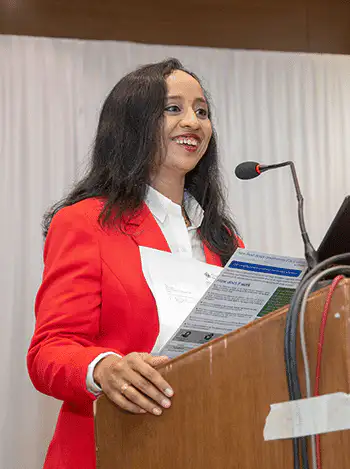
Dr. Poonam Natarajan
MD Pulmonary Medicine, MBBS
Sleep Medicine Specialist - 18+ years of experience
View Profile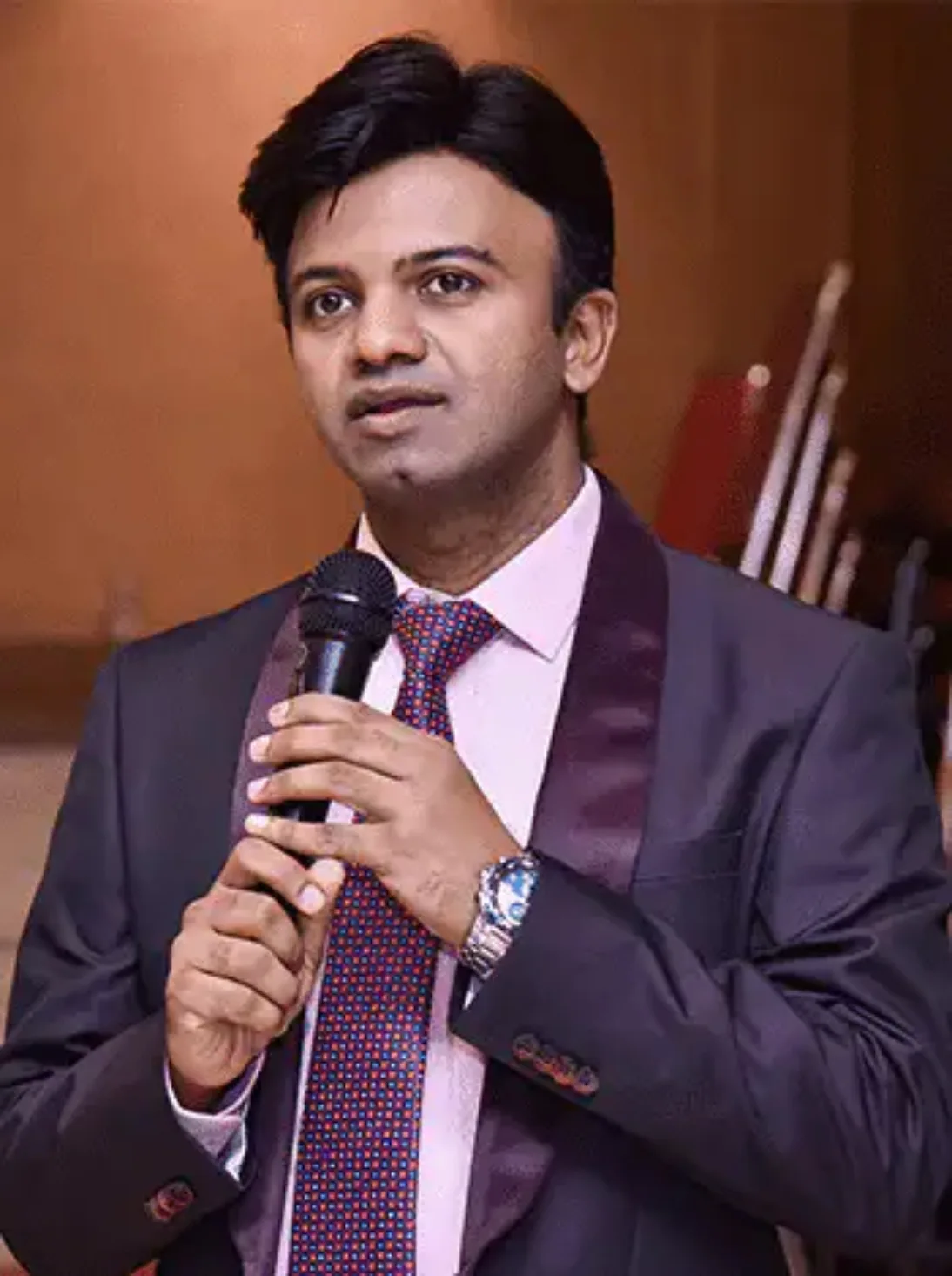
Dr. Subramanian Natarajan
Chest Physician & Pulmonologist
Sleep Apnea & Respiratory Medicine - 20+ years of experience
View Profile
Free callback
Book Your Free Expert Consultation
Share your details and our team will reach out with the right next step.
Take the First Step
Ready to Find Your Sleep Apnea Solution?
Take our free sleep quiz to understand your risk level, or schedule a consultation with our sleep specialists to explore the best treatment option for you.