
Sleep Journal
Sleep Apnea Symptoms: 10 Warning Signs You Shouldn't Ignore
Recognise the 10 key symptoms of sleep apnea - from loud snoring to morning headaches. Learn when to see a doctor and how an at-home sleep study can help. Expert guide.
In This Article
Sleep apnea is a serious condition that affects millions of people worldwide, yet many remain undiagnosed. The challenge is that many of its symptoms occur during sleep, when you're unaware of what's happening. However, recognising the warning signs can be lifesaving. If you or a loved one experiences any of these symptoms, it's important to seek medical evaluation promptly. Early detection and treatment can significantly improve your health and quality of life.
What Is Sleep Apnea?
Sleep apnea is a sleep disorder characterised by repeated interruptions in breathing during sleep. The most common type is obstructive sleep apnea (OSA), where the airway becomes partially or completely blocked, preventing normal airflow. These breathing pauses, called apnoeas, can last from a few seconds to several minutes and may occur dozens of times per hour. Each pause temporarily reduces oxygen levels in your blood, forcing your brain to arouse you enough to resume breathing. This fragmentation of sleep prevents you from reaching the deep, restorative sleep stages your body needs.
10 Warning Signs of Sleep Apnea
1. Loud and Chronic Snoring
Loud snoring is one of the most recognisable signs of sleep apnea, especially when it's persistent and occurs every night. The snoring typically sounds like gasping, choking, or grunting noises. While not all snorers have sleep apnea and not all sleep apnea sufferers snore, loud chronic snoring is a red flag that warrants medical evaluation to rule out this serious condition.
2. Witnessed Breathing Pauses During Sleep
A bed partner or family member noticing that you stop breathing during sleep is a significant warning sign. These apnoeic episodes are often followed by gasping for air as your brain forces you to take a breath. If someone close to you has observed this pattern, it's crucial to schedule an evaluation with a sleep specialist immediately, as this suggests your airway is completely blocked during these episodes.
3. Gasping or Choking During Sleep
You may wake suddenly with a gasping, choking, or snorting sensation, often without fully realising what woke you. These arousals are your body's automatic response to momentary oxygen deprivation. If you frequently experience these episodes, your sleep apnea is severe enough to disrupt your conscious awareness, indicating the need for urgent medical attention.
4. Excessive Daytime Sleepiness
Despite sleeping seven or more hours at night, people with sleep apnea often experience overwhelming daytime drowsiness. You might find yourself nodding off during meetings, while driving, or during other daytime activities. This occurs because the repeated arousals throughout the night prevent you from spending enough time in deep, restorative sleep stages, leaving you chronically sleep-deprived.
5. Morning Headaches
Waking up with a headache is a common symptom of sleep apnea. These headaches result from the repeated oxygen desaturations that occur during sleep-breathing interruptions. The headaches may feel similar to tension headaches or migraines and typically improve as the day progresses after you've been breathing normally while awake.
6. Dry Mouth or Sore Throat Upon Waking
People with sleep apnea often wake with a dry mouth or sore throat because they tend to breathe through their mouth while sleeping, especially when their nasal passages are partially blocked. Additionally, the repeated arousals associated with apnoeic episodes can contribute to morning mouth and throat dryness that doesn't improve with drinking water.
7. Difficulty Concentrating or Memory Problems
Chronic sleep fragmentation impairs your cognitive function during waking hours. You may struggle to concentrate at work or school, find it difficult to remember information, or experience mental fog throughout the day. These cognitive issues often improve significantly once sleep apnea is treated and normal sleep architecture is restored.
8. Mood Changes and Irritability
Sleep deprivation affects emotional regulation and mood stability. People with untreated sleep apnea frequently experience irritability, anxiety, or depression. The chronic stress of repeated oxygen drops and sleep fragmentation affects brain chemistry, making emotional stability difficult to maintain. Treatment often leads to noticeable improvements in mood and emotional wellbeing.
9. Frequent Nighttime Urination
Nocturia, or the need to urinate multiple times throughout the night, is surprisingly common in sleep apnea patients. The drop in oxygen levels during apnoeic episodes causes your body to release hormones that promote fluid release from tissues, increasing the need to urinate. This symptom may improve significantly with sleep apnea treatment.
10. Decreased Libido and Sexual Dysfunction
Sleep apnea can affect sexual function in both men and women. Low oxygen levels during sleep impair blood vessel function, which is essential for sexual performance. Additionally, the chronic fatigue and mood changes associated with sleep apnea reduce sexual interest. Treating sleep apnea often leads to improvements in sexual function and libido.
Who Is Most at Risk?
Understanding your risk factors can help determine whether you should seek evaluation for sleep apnea. The following factors increase your likelihood of developing this condition:
- Obesity: Excess weight, particularly around the neck and throat, increases the likelihood of airway collapse during sleep. Weight loss is often an effective treatment component for mild to moderate sleep apnea.
- Age: Sleep apnea can occur at any age, but the risk increases with age, particularly after 40. However, it's important to note that younger adults, including teenagers and children, can also develop sleep apnea.
- Male gender: Men are more likely to develop sleep apnea than women. However, the risk increases significantly in women after menopause when hormonal changes occur.
- Increased neck circumference: A neck circumference greater than 40.5 centimetres in men and 35.5 centimetres in women is associated with increased sleep apnea risk.
- Family history: Sleep apnea tends to run in families, suggesting a genetic component. If a close relative has sleep apnea, your risk is elevated.
- Nasal obstruction: Structural issues like deviated septum, nasal polyps, or chronic sinusitis narrow the airway and increase sleep apnea risk.
When to See a Sleep Specialist
You should schedule an appointment with a sleep specialist if you experience any combination of the symptoms listed above, particularly if they're affecting your quality of life or safety. Don't delay seeking help if your bed partner has observed breathing pauses, as this is a strong indicator of significant sleep apnea. A sleep specialist can evaluate your symptoms, review your medical history, and determine whether a sleep study is appropriate. Worried about the expense? Sleep study costs in India are more affordable than most people expect, especially with at-home testing options. Early intervention is crucial because untreated sleep apnea is associated with serious complications including high blood pressure, heart disease, stroke, and sudden cardiac death.
How RemeSleep Can Help
At RemeSleep, we understand that sleep apnea is more than just a sleep problem - it's a health concern that requires expert evaluation and personalised treatment. Our sleep specialists use advanced diagnostic tools, including at-home sleep studies, to accurately diagnose sleep apnea without the inconvenience of overnight laboratory testing. Once diagnosed, we develop individualised treatment plans that may include CPAP therapy, lifestyle modifications and alternative treatments, positional therapy, or other interventions based on your specific needs and preferences. For Mumbai patients, see our complete sleep apnea treatment cost guide for Mumbai.
If you're concerned about your symptoms, we encourage you to start with our free sleep quiz to assess your risk level, or talk to one of our sleep experts directly. Early detection and treatment of sleep apnea can transform your health, energy levels, and quality of life.
Self-Assessment Checklist
Use this checklist to evaluate whether you should seek professional evaluation for sleep apnea:
- Do I snore loudly and regularly?
- Has anyone observed me stop breathing during sleep?
- Do I wake gasping or choking?
- Do I experience excessive daytime sleepiness despite adequate sleep time?
- Do I wake with morning headaches?
- Do I have a dry mouth or sore throat when I wake?
- Do I have trouble concentrating or memory problems?
- Do I experience mood changes or increased irritability?
- Do I need to urinate multiple times during the night?
- Have I noticed decreased sexual interest or function?
- Am I overweight or obese?
- Do I have high blood pressure?
- Is there a family history of sleep apnea?
If you answered "yes" to three or more of these questions, scheduling an evaluation with a sleep specialist is advisable to determine whether sleep apnea might be affecting your health.
Medical Review
Reviewed by sleep specialists

Dr. Poonam Natarajan
MD Pulmonary Medicine, MBBS
Sleep Medicine Specialist - 18+ years of experience
View Profile
Dr. Subramanian Natarajan
Chest Physician & Pulmonologist
Sleep Apnea & Respiratory Medicine - 20+ years of experience
View ProfileRelated Articles
Snoring Causes and Solutions: Complete Guide
Discover the underlying causes of snoring, from obstructive sleep apnea to nasal congestion, and explore proven solutions to stop snoring and sleep better.
Read moreCPAP Alternatives for Sleep Apnea: Effective Options
Explore effective alternatives to CPAP therapy including mandibular advancement devices, positional therapy, and lifestyle changes for managing sleep apnea.
Read moreHow to Stop Snoring: 16 Tips to Sleep Softly
Tired of snoring ruining your sleep? Discover 16 effective tips to stop snoring and enjoy a night of quiet, restful slumber.
Read more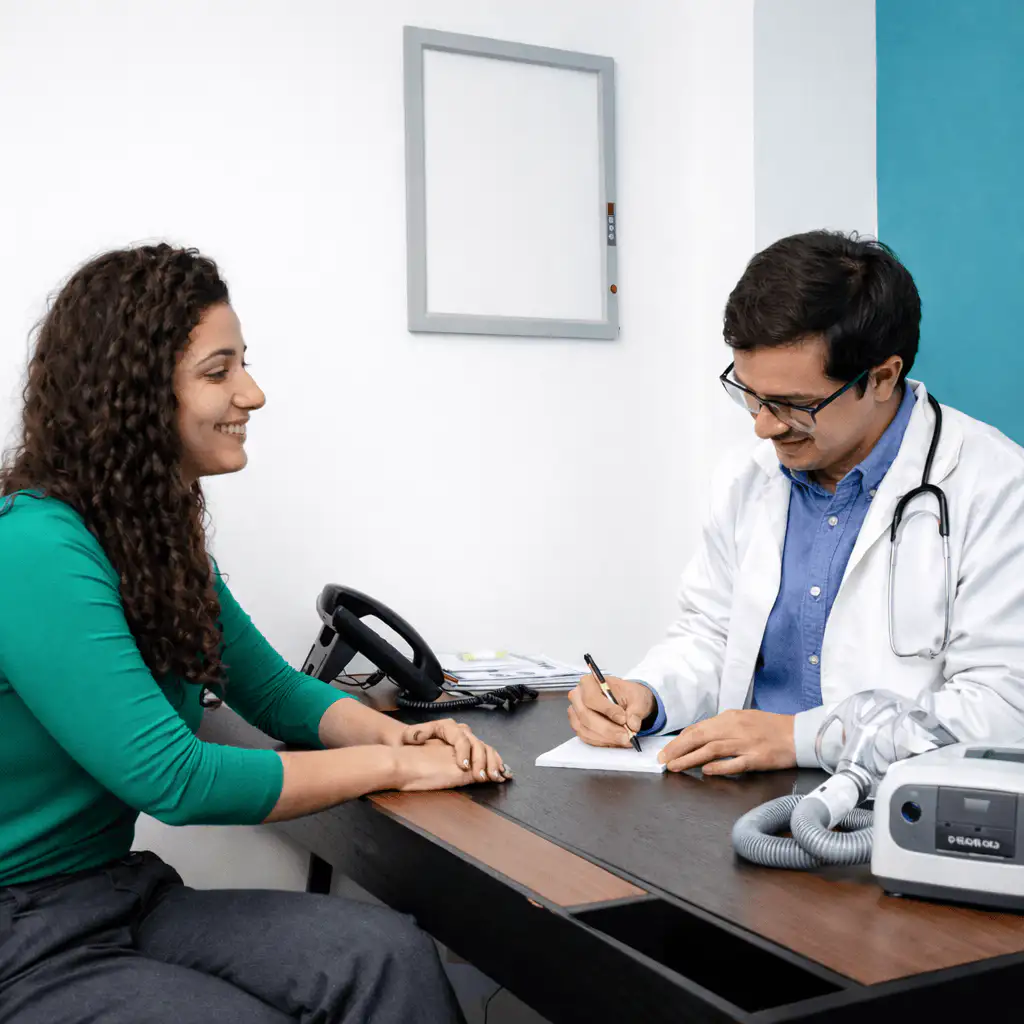
Free callback
Book Your Free Expert Consultation
Share your details and our team will reach out with the right next step.
Think You Might Have Sleep Apnea?
Take Our Free Sleep Quiz or Book a Consultation
Get personalised recommendations from our sleep experts and find out if you need a sleep study.